Why it feels reasonable
“It has only been a few hours. We will see how things look in the morning.”
What can go wrong
Symptoms may build while the family has no clinical contact, no emergency threshold and no agreed next step.
When alcohol withdrawal starts after the last drink, what the first hours can look like, warning signs, medical assessment and recovery after stabilization.
For someone who has been drinking heavily or regularly, the important question is not “when will detox officially begin?” Withdrawal may already be starting while the person still looks relatively composed.
The early window can include anxiety, tremor, sweating, poor sleep, nausea, irritability or a powerful urge to drink again for relief. The safest decision is based on risk, not on waiting for symptoms to become dramatic.
For a useful first conversation, include the time of the last drink, recent drinking pattern, length of the current binge, current symptoms, previous withdrawal complications, medications and any other substances used.
There is no single countdown that predicts one person's withdrawal. MedlinePlus states that symptoms often occur within about 8 hours after the last drink, although they can begin later. Symptoms commonly become more intense over the next day or two, and the risk profile depends heavily on the person's history.
The first signs may be anxiety, shakiness, sweating, insomnia, nausea, irritability or feeling unable to settle—not a dramatic medical crisis.
Previous seizures or delirium, long binges, major illness, older age, sedatives or other substances can make a “wait and see” approach unsafe.
ASAM emphasizes that withdrawal management is a component of treatment, not a complete treatment for alcohol use disorder.
Families often jump straight to “home detox or clinic?” A safer first question is whether the person may be at risk for complicated withdrawal and what level of care is appropriate.
Recent alcohol use, previous withdrawal, medical conditions, psychiatric symptoms, medications, other substances, sleep and current vital concerns all change the picture.
Diagnosis, monitoring, medication and level-of-care decisions belong to licensed medical professionals. A web page cannot determine an individual detox protocol.
The next stage should be planned before the person simply returns to the same triggers, access to alcohol and family conflict that surrounded the last episode.
Withdrawal does not begin when someone checks into a program. It begins when a nervous system that has adapted to regular alcohol exposure has to function without the same alcohol input.
A person may still be talking normally while sleep, anxiety, tremor, sweating or inner agitation are starting to shift.
Wanting alcohol specifically to make the symptoms stop is a different signal from simply regretting a night of drinking.
How much and how long the person has been drinking, previous withdrawal and other health risks matter more than a stopwatch alone.
If symptoms escalate, families make better decisions when they already know who to call and where medical assessment can happen.
Early alcohol withdrawal can feel ordinary enough to be misread. The pattern becomes more concerning when symptoms appear after stopping alcohol and continue to build instead of settling.
There is no reliable self-test that turns one symptom into a diagnosis. Hangover and withdrawal can share nausea, headache, poor sleep, anxiety and weakness. What changes the concern is the pattern around regular heavy drinking, the emergence of tremor or autonomic symptoms, worsening over time and a history of withdrawal problems.
Symptoms generally improve as the effects of a drinking episode wear off and the body recovers.
After regular heavy drinking stops, symptoms may become more prominent over the following hours rather than steadily easing.
A history of seizures, delirium, hallucinations or severe instability raises the threshold for taking chances at home.
If the picture is unclear and the drinking history is significant, medical assessment is safer than trying to label the condition from symptoms alone.
This timeline is a risk-orientation tool, not a personal forecast. MedlinePlus notes that symptoms often begin within about 8 hours and tend to peak around 24–72 hours, but individual courses vary.
The last drink is easy to remember, but it does not capture the whole risk. Withdrawal is shaped by the person's broader history and current condition.
Long-term heavy use and repeated binges can produce a different withdrawal picture from an isolated episode.
Past seizures, delirium, hallucinations or severe agitation are clinically important history for a new episode.
Heart disease, liver disease, infection, poor nutrition, depression, suicidality and other conditions can change the level of concern.
Benzodiazepines, sleeping pills, opioids, stimulants and other substances can complicate both assessment and treatment decisions.
Serious alcohol withdrawal can become medically dangerous. The Israel Ministry of Health warns that abrupt cessation after heavy consumption can lead to severe withdrawal, including seizures and loss of consciousness.
This requires urgent medical help.
Disorientation or inability to understand what is happening is not a routine home-monitoring situation.
Seeing or hearing things that are not there can be a sign of severe withdrawal or another medical or psychiatric emergency.
These are emergency symptoms regardless of whether alcohol withdrawal is the cause.
Immediate safety takes priority over any detox plan.
If symptoms are escalating quickly, do not wait for an arbitrary hour marker before seeking medical help.
The early hours are not only a medical timeline. They are also a decision window. The quality of the plan often determines whether the next step is orderly or chaotic.
“It has only been a few hours. We will see how things look in the morning.”
Symptoms may build while the family has no clinical contact, no emergency threshold and no agreed next step.
Medical withdrawal management can be essential for safety and stabilization.
It does not automatically change triggers, access to alcohol, family dynamics or the pattern that led to the next binge.
Risk assessment, diagnosis, detoxification, medication and stabilization remain clinical decisions.
After stabilization, the plan addresses routine, support, family boundaries, triggers and relapse prevention.
The goal is not to diagnose withdrawal at home. The goal is to collect the right information, recognize emergency signs and make the next decision with less confusion.
When was the last drink? When did the first symptoms appear? Are they stable, improving or worsening?
How much was being consumed, how often, and how long did the current binge or heavy period last?
Tell the medical team about any prior seizures, delirium, hallucinations, hospitalization or difficult detox episodes.
Include prescribed medication, sleeping pills, benzodiazepines, opioids, stimulants and any other relevant substances.

ASAM explicitly separates withdrawal management from treatment of alcohol use disorder. Getting through the acute stage can make the next step possible, but it does not by itself change the reasons, habits and environment that keep the drinking cycle going.
After medical stabilization, MAAVAR CLINIC focuses on a structured recovery environment: daily routine, accountability, family boundaries, group support, privacy and relapse-prevention planning. A modernized 12-step framework may be used as one component of that broader recovery program.

Medical team
Psychiatrist • addiction physician • senior medical clinician
Alcohol withdrawal is a clinical risk problem before it is a rehabilitation problem. The medical role is to assess withdrawal severity, previous complications, mental state, medical conditions, other substances and the level of care required.
Diagnosis, detoxification, medication, psychiatric treatment and clinical decisions remain with the licensed medical team. The website does not replace an individual medical assessment.

Recovery program
Recovery mentor • routine • group support • relapse prevention
Once the medical situation is stable enough for rehabilitation work, Mikhail helps turn the next stage into a repeatable daily structure rather than a short period of relief followed by the same old pattern.
His role is non-medical. He does not diagnose, prescribe medication or make detox decisions. He supports routine, responsibility, group participation, family boundaries and relapse-prevention work.
The documents below relate to Mikhail's rehabilitation training and recovery work. They do not replace medical qualifications and do not authorize diagnosis, prescribing, detoxification or other clinical decisions.
 12-Step Recovery FrameworkTraining related to the 12-step recovery model, 2009.
 Group FacilitationTraining in group facilitation, 2009.
 Municipal Treatment SettingsPreparation for work in municipal and community treatment settings, 2007.
 Substance-Harm PreventionTraining related to prevention work around substance use, 2007.
 Professional TrainingSpecialist training in alcohol- and substance-related work, 2014.
 New WayAdditional professional development, 2015.
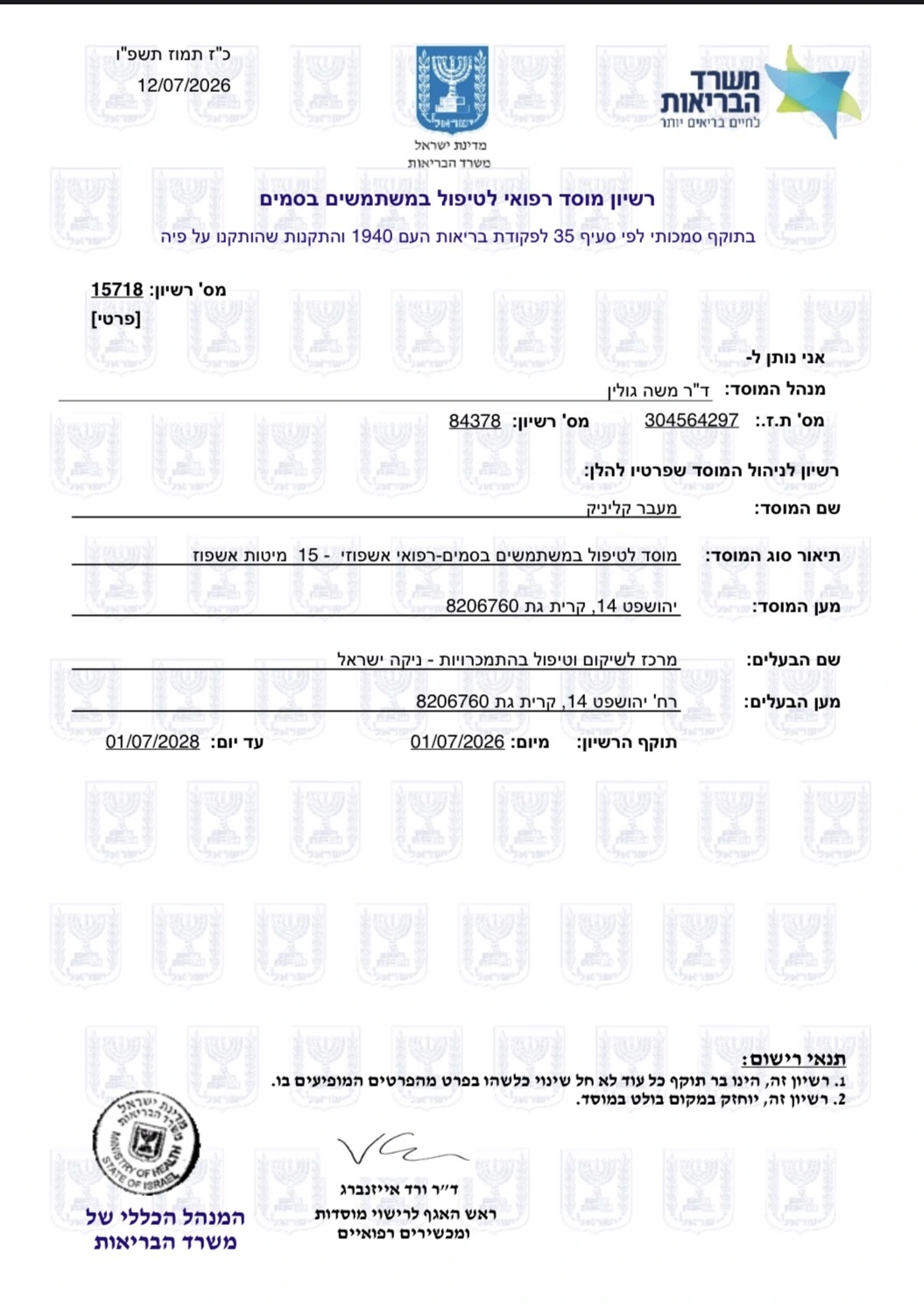
MAAVAR CLINIC publishes its current 2026–2028 license for transparency. Select the document to open a larger preview.
This page is educational and does not replace emergency care or an individual medical assessment. Timing and safety language was checked against current authoritative sources.
Withdrawal symptoms can begin within hours after the last drink. MedlinePlus notes that symptoms often occur within about 8 hours, although timing varies and some symptoms can appear later. A person with heavy or prolonged drinking, previous complicated withdrawal, medical illness or mixed substance use should not rely on the clock alone.
No. Early symptoms may be limited or fluctuate before they become more noticeable. Risk assessment should consider the drinking history, previous withdrawal, current symptoms, medications, other substances and medical or psychiatric conditions—not only how the person feels at one moment.
They can overlap. A hangover usually follows intoxication and tends to improve with time, while withdrawal is more concerning when symptoms such as tremor, sweating, anxiety, insomnia, agitation or a strong urge to drink for relief emerge or intensify after alcohol is stopped. A clinician should assess uncertain or high-risk situations.
Seizures, severe confusion, hallucinations, collapse, breathing difficulty, chest pain, dangerous agitation, suicidal behavior or a rapidly worsening condition require urgent medical help. In Israel, call Magen David Adom at 101 for a medical emergency.
Timing and severity can differ because of the amount and pattern of drinking, duration of dependence, previous withdrawal episodes, age, nutrition, medical conditions, sleep, medications and use of other substances. This is why a fixed timeline cannot predict one person's course.
Not everyone can. Heavy or prolonged drinking, previous seizures or delirium, serious medical illness, severe current symptoms, pregnancy, older age or combined use of sedatives, opioids or other substances can increase risk. The appropriate level of care should be based on medical assessment.
Be ready to describe when the last drink was, the recent drinking pattern, how long the current binge lasted, previous withdrawal complications, current symptoms, prescribed medication, other substances, medical conditions, sleep and any immediate safety concerns.
MAAVAR CLINIC separates medical decisions from rehabilitation work. Assessment, diagnosis, detoxification, stabilization, medication decisions and psychiatric care belong to the licensed medical team and are based on clinical indications.
Withdrawal management is only one part of treatment. After stabilization, recovery still requires a plan for sleep, routine, family boundaries, triggers, continued medical or psychological care and relapse prevention. Structured rehabilitation helps turn short-term stabilization into longer-term change.
You can message MAAVAR CLINIC on WhatsApp at +972 54 757 8876, call the same number or email dhvny8@gmail.com. For an immediate medical emergency in Israel, call 101 first.
Send the timeline, not just the word “detox”: when the last drink was, the recent drinking pattern, current symptoms, previous withdrawal complications, medications and other substances.
MAAVAR CLINIC can help organize the next step: emergency care for red flags, medical assessment when indicated and structured recovery after stabilization.
WhatsApp: https://wa.me/972547578876
Phone: +972 54 757 8876
Email: dhvny8@gmail.com
Quick reading settings. Preferences are stored in your browser.